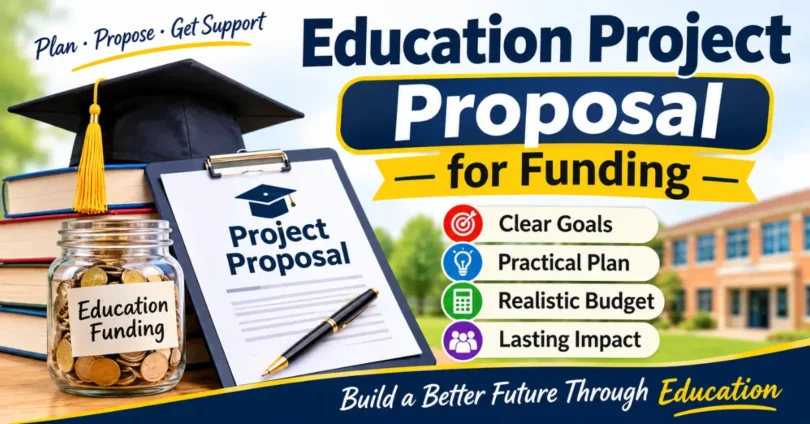
An Education Project Proposal for Funding, Is an important document that explains how a school, teacher, or organization plans to improve education with financial support. It describes the educational problem, project goals, planned activities, required budget, and expected results. A well-written proposal helps donors understand why a project is needed and how their money will make a difference. Whether you want to build classrooms, provide free books, train teachers, or support poor students, a clear proposal can help you get the funding you need. You will learn how to prepare a strong education project proposal step by step using simple and easy methods.
Understanding the Basic Requirements of Education Funding
Before applying for financial support, you should understand the basic requirements of education funding. Donors and funding organizations want to know why your educational project is important, who will benefit from it, and how the money will be spent. Your proposal should include a clear project purpose, educational goals, target students, planned activities, estimated budget, and expected results. You may also need to provide information about your school or organization, registration documents, and a project timeline. Each funding organization has its own rules, so read the application guidelines carefully before submitting your proposal.
Selecting an Educational Problem Worth Solving
Start by identifying a real problem that affects students, teachers, or schools. Consider these important points:
- Identify Learning Issues: Find problems that affect students’ education.
- Check School Facilities: Look for a lack of classrooms, desks, or basic resources.
- Understand Student Needs: Identify students who cannot afford books or school supplies.
- Find Teacher Shortages: Check whether schools have enough qualified teachers.
- Consider Technology Needs: Identify schools that lack computers and internet access.
- Collect Information: Talk to teachers, parents, and students about their problems.
- Choose a Solution: Select a problem that your project can realistically solve.
Choosing the right educational problem helps create a useful project that improves students’ learning opportunities.
How to Create a Clear Education Project Proposal
A clear education project proposal helps donors understand your project and its main purpose. Follow these simple steps:
- Choose a Project Title: Give your project a short and meaningful name.
- Explain the Main Idea: Describe what you want to achieve.
- Identify the Problem: Explain the educational issue your project will solve.
- Present Your Solution: Describe how your project will address the problem.
- Set Clear Goals: Explain what changes you want to bring.
- Include a Budget: Show how much funding you need and how you will spend it.
- Mention Expected Benefits: Explain how students, teachers, and schools will benefit.
A clear and well organized proposal helps donors understand your idea and consider your funding request.
Identifying Project Beneficiaries and Their Needs
Identifying the right beneficiaries helps you understand who will receive support from your education project.
- Identify Target Students: Decide which students need educational support.
- Consider Age Groups: Mention the age and class levels of the students.
- Estimate Beneficiaries: Calculate how many students will benefit from the project.
- Include Teachers: Identify teachers who may need training or learning resources.
- Support Poor Families: Consider children who cannot afford basic educational needs.
- Understand Local Needs: Talk to parents, teachers, and communities to learn about their problems.
Understanding beneficiaries’ needs helps you plan a useful project that provides better learning opportunities.
Planning Educational Activities and Teaching Methods
Planning educational activities helps make your project useful and supports better learning for students.
- Choose Learning Activities: Plan lessons, workshops, and classroom activities.
- Select Teaching Methods: Use simple and effective teaching methods.
- Arrange Learning Materials: Provide books, notebooks, computers, and other supplies.
- Plan Teacher Training: Help teachers improve their teaching skills.
- Assign Responsibilities: Give each team member clear duties.
- Set Learning Targets: Decide what students should learn from each activity.
Well planned activities and teaching methods help students learn better and achieve educational goals.
Developing a Project Timeline and Work Schedule
A project timeline helps you complete educational activities on time and manage each task properly.
- Set Project Duration: Decide the project start and end dates.
- Divide Work into Stages: Break the project into smaller tasks.
- Set Deadlines: Give each activity a clear completion date.
- Assign Responsibilities: Decide who will complete each task.
- Track Progress: Check whether activities are going according to plan.
- Allow Extra Time: Keep some time for unexpected delays.
A clear timeline keeps your education project organized and helps you complete all activities on schedule.
Preparing an Education Project Budget for Funding
A clear budget helps donors understand how much money your educational project needs and how the funds will be used.
- Teacher Salaries: Calculate the cost of hiring teachers and staff.
- Learning Materials: Include expenses for books, notebooks, and stationery.
- Technology Costs: Estimate the cost of computers and other equipment.
- Classroom Expenses: Add costs for desks, chairs, and classroom improvements.
- Transportation Costs: Include travel expenses when needed.
- Administrative Expenses: Calculate basic office and management costs.
- Total Funding: Add all expenses to show the complete project cost.
A realistic and detailed budget builds donor trust and helps manage project funds properly.
Explaining the Expected Outcomes and Impact
Expected outcomes explain how your education project will improve learning and support students, teachers, and communities.
- Better Student Learning: Explain how students will improve their knowledge and skills.
- Higher School Attendance: Show how the project can encourage more children to attend school.
- Teacher Development: Describe how teachers will improve their teaching skills.
- Equal Learning Opportunities: Explain how poor and needy students will receive support.
- Improved School Facilities: Show how better classrooms and learning materials will help students.
- Community Benefits: Explain how the project will support families and local communities.
Clear expected outcomes help donors understand the value and long-term benefits of your education project.
Monitoring Progress and Measuring Project Success
Monitoring helps you check whether your education project is meeting its goals and completing activities on time.
- Track Activities: Check whether planned tasks are completed on schedule.
- Check Student Attendance: Monitor how regularly students attend classes.
- Measure Learning Results: Compare students’ performance before and after the project.
- Collect Feedback: Ask students, teachers, and parents about their experiences.
- Prepare Progress Reports: Record completed activities and project results.
- Identify Problems: Find issues and make improvements when needed.
Regular monitoring helps you measure project success and make sure funding is being used properly.
Common FAQs about Education Project Proposal for Funding
Here are some FAQs of Education Project Proposal for Funding:
Who Can Apply for Education Project Funding?
Schools, teachers, nonprofit organizations, community groups, and registered educational institutions can apply for education project funding, depending on the donor’s eligibility rules.
Where Can I Find Education Project Funding Opportunities?
You can find funding opportunities through government education departments, nonprofit organizations, charitable foundations, international development agencies, and official grant websites.
Can Individuals Apply for Education Project Grants?
Yes, some funding organizations accept applications from individuals, teachers, and community leaders. However, others only provide grants to registered schools or nonprofit organizations.
How Long Does It Take to Receive Education Project Funding?
The waiting time depends on the funding organization and its review process. Some organizations announce decisions within a few weeks, while others may take several months.
Do Education Funding Organizations Require Matching Funds?
Some donors require applicants to contribute a small amount of money or other resources. This is called matching funding, but not every grant program has this condition.
Can I Apply for Multiple Education Grants at the Same Time?
Yes, you can apply for multiple grants if you meet their requirements. However, you should follow each donor’s rules and avoid requesting payment twice for the same project expense.
What Happens If an Education Funding Application Is Rejected?
If your application is rejected, review the donor’s feedback, identify weak areas, and improve your proposal. You can apply again if the organization allows future applications.
Do Donors Require Reports After Providing Education Funding?
Yes, many donors ask for financial and progress reports. These reports explain how the money was spent, what activities were completed, and what results the project achieved.
Conclusion
Preparing a strong education project proposal for funding is an important step toward improving education and creating better learning opportunities. A clear proposal helps donors understand your project idea, its purpose, and the positive changes it can bring to students and communities. By following the right steps, setting realistic goals, planning activities, and preparing a suitable budget, you can present your idea in a professional way. Always make sure your proposal is honest, well-organized, and follows the donors guidelines.